
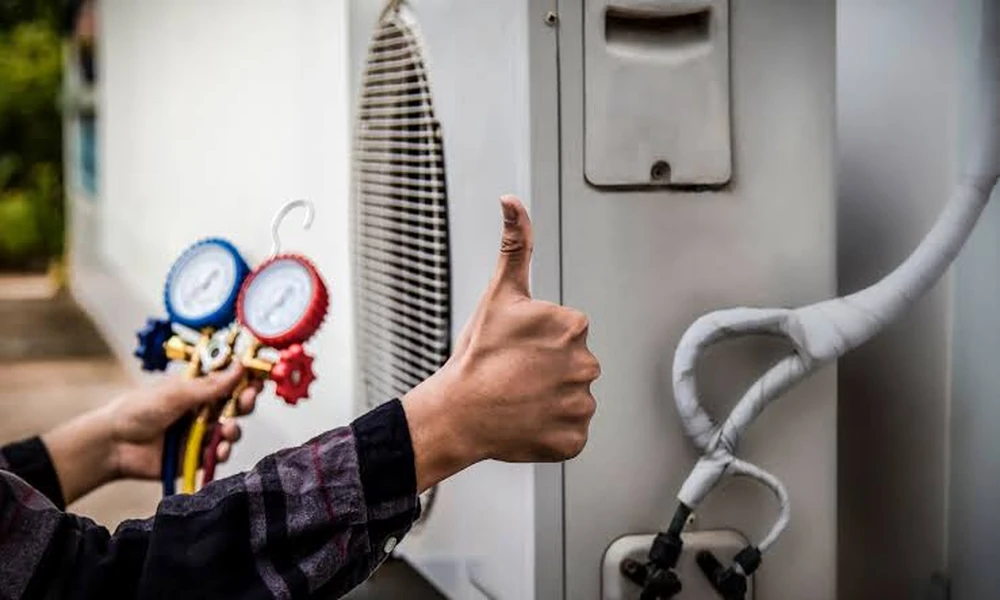

A reliable heating system keeps your home comfortable during colder months, but developing faults can increase energy consumption and push household bills higher. Problems such as clogged filters, faulty thermostats and restricted airflow can force your system to work harder than necessary. Addressing these issues early can improve performance, prevent avoidable energy waste and reduce the risk of expensive breakdowns. Understanding when to arrange professional repairs can help homeowners maintain a comfortable indoor temperature without placing unnecessary pressure on their energy budget.
How Heating Problems Increase Energy Consumption
When a heating system operates correctly, it distributes warmth efficiently while maintaining the temperature selected on the thermostat. However, worn components or developing faults can interfere with this process.
For example, a dirty air filter restricts airflow, while a malfunctioning thermostat may cause the system to run longer than needed. Similarly, a faulty blower motor can reduce air circulation, leaving some rooms colder than others.
Homeowners seeking heating repair in Wylie, TX should pay attention to these warning signs:
- Heating cycles that seem unusually long or frequent.
- Rooms that remain cold despite the heating being switched on.
- Unexplained increases in energy bills.
- Unusual noises, such as rattling, buzzing or banging.
- Weak airflow from heating vents.
- Temperatures that fluctuate throughout the home.
Arranging an inspection when these symptoms appear can help identify the underlying problem before it affects overall system performance.
How Timely Repairs Help Reduce Heating Costs
Prompt repairs do more than restore comfort. They can also help your heating system use energy more effectively.
1. Restoring Efficient System Operation
Heating equipment contains several interconnected components that must work together. A fault in one area can affect the performance of the entire system.
For instance, a failing blower motor may struggle to circulate warm air throughout your property. Repairing the motor can restore airflow and help the system distribute heat more effectively.
Professional heating repair in Wylie, TX, can also identify issues such as faulty electrical connections, damaged sensors and malfunctioning controls that interfere with normal operation.
2. Preventing Unnecessary Heating Cycles
A thermostat that reads temperatures incorrectly may cause the heating system to run longer than necessary or switch on and off repeatedly. This behaviour can waste energy and place additional strain on system components.
A technician can inspect the thermostat, check its settings and identify any related equipment faults. Correcting these issues helps maintain a more consistent indoor temperature.
3. Reducing the Risk of Expensive Breakdowns
Minor faults can sometimes develop into more serious mechanical problems when left unresolved. A loose component, for example, may cause further wear if the system continues operating without attention.
Timely repairs can address these issues before additional damage occurs. Although repair costs vary according to the fault, early intervention may help prevent the expense of more extensive work or premature equipment replacement.
Practical Ways to Improve Heating Efficiency at Home
Professional servicing is important, but everyday maintenance also contributes to efficient heating.
Consider these practical steps:
- Replace or clean air filters: Follow the manufacturer’s guidance to prevent restricted airflow.
- Keep vents unobstructed: Move furniture, curtains and other objects away from supply and return vents.
- Use sensible thermostat settings: Choose a comfortable temperature rather than overheating rooms.
- Check for draughts: Seal gaps around doors and windows where appropriate to reduce heat loss.
- Arrange routine maintenance: Professional inspections can identify developing faults and help keep equipment operating correctly.
- Monitor energy bills: Compare usage over time and investigate unexplained increases rather than assuming higher costs are unavoidable.
These measures complement professional repairs but cannot resolve mechanical or electrical faults that require specialist attention.
When Should You Call a Heating Professional?
You should arrange an inspection if your heating system repeatedly struggles to maintain the desired temperature, produces unusual noises or causes unexplained increases in energy consumption.
A qualified technician can assess the equipment, identify the cause and recommend suitable repairs. Ask for an explanation of the fault, the proposed work and the expected costs before authorising the repair.
If you notice a gas smell, leave the property and contact your gas emergency service from a safe location. Do not operate electrical switches or attempt to investigate the source yourself. For other immediate hazards, follow the relevant emergency guidance.
Frequently Asked Questions
Can heating repairs lower energy bills?
Yes. Repairs that correct inefficient operation, restricted airflow or faulty controls can help a heating system use energy more effectively. The actual savings depend on the fault, the equipment and household heating habits.
How often should a heating system be inspected?
An annual professional inspection is a useful general guideline for many residential heating systems. Always follow the manufacturer’s maintenance recommendations and arrange an additional inspection if performance problems develop.
Is it better to repair or replace an inefficient heating system?
The decision depends on the system’s age, condition, repair costs and overall performance. A technician can explain whether repairing the existing equipment is practical or whether replacement may offer better long-term value.
Conclusion
Timely heating repairs can help homeowners control energy costs by restoring efficient operation, preventing avoidable strain and addressing faults before they become more serious. Regular maintenance, sensible thermostat settings and unobstructed airflow provide additional support for efficient heating. If your system is making unusual noises, struggling to maintain warmth or using more energy than expected, arranging a professional assessment is a practical step towards maintaining comfort and managing household expenses.
How Timely Heating Repair Can Help Reduce Energy Bills

