
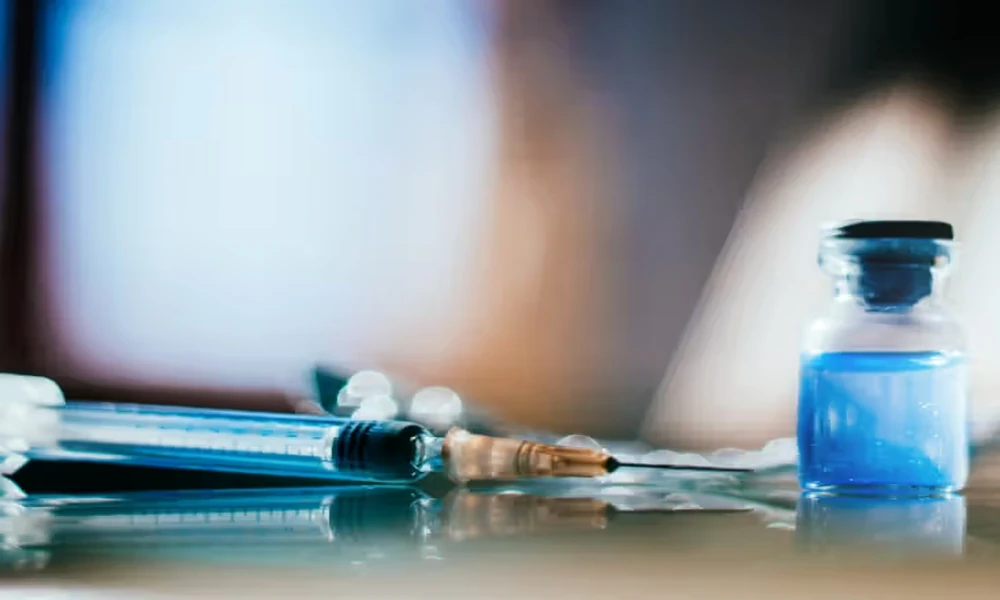

Two names dominate nearly every conversation about peptides in women’s fitness spaces, and they earned that position through different routes that happen to meet inside the same training week. Educational surgery and recovery resources, including reference libraries like Plasticsurgerykey discuss tissue repair and growth hormone signalling as separate subjects, yet gym conversation has fused the two compounds those subjects point toward into one familiar pairing. Neither name arrived through advertising, which makes the popularity worth explaining properly. The sections below take each compound’s appeal on its own terms, then look at the pairing logic and the channels keeping demand alive.
BPC-157 draw for women
BPC-157 draws women in fitness primarily through the recovery problem, because female training injuries cluster around tendons and ligaments, tissues that heal slowly on their own and slower still under a busy life. The compound’s animal literature on tendon and ligament repair speaks directly to that cluster, and word of mouth from training partners carrying elbow, knee, and hip complaints has done more for its reputation than any formal source, since a recovered training partner is the most persuasive evidence a gym ever produces. Its appeal also rests on fitting around life rather than demanding a rebuild of it, because a compound that asks nothing beyond consistency suits women already balancing training against work and family load.
Ipamorelin draw in fitness
Ipamorelin earns its place across an ordinary training week rather than in any single session. Monday’s heavy lower session leaves soreness that its growth hormone signalling is credited with easing by Wednesday, the midweek sleep block deepens in user accounts, which matters because repair concentrates there, and Thursday’s second hard session arrives with more in the tank than the old week allowed. The weekend then closes without the accumulated fatigue that used to spill into the following block. Women describing their reasons for choosing it almost always describe this week shape rather than any dramatic single result, and its reputation for gentleness relative to older secretagogues completes the appeal.
Popularity behind the pairing
Popularity of the two names together outruns the popularity of either alone, and the division of labour explains it in three steps.
- Recovery duty falls to BPC-157, which targets the specific tissue complaint that usually started the whole inquiry.
- Growth signalling duty falls to Ipamorelin, which supports sleep, general repair, and composition in the background.
- Together, the pair covers the local problem and the systemic base at once, which is the exact logic women cite for running them side by side.
Fitness circles driving demand
Fitness circles keep demand alive through their own internal channels, and the same conversations repeat wherever training women gather.
- Women’s lifting groups circulate recovery stories in which the two names appear together more often than apart.
- Endurance groups pass the same accounts along whenever tendon trouble sidelines a runner mid-season.
- Coach-led programmes amplify everything, since a coach who watched three clients return from stubborn complaints repeats the story to thirty more.
- Online training collectives archive these threads, so every new member inherits the whole back catalogue at once.
Popularity here traces to fit rather than fashion, because one compound answers the injury that starts the search while the other supports the recovery week around it. The pairing endures for the simplest reason available: those two jobs cover most of what women in fitness actually ask for.

